|
What Child Acoustic Guitar to Buy?
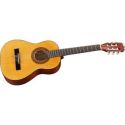
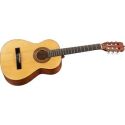
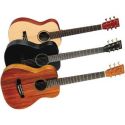
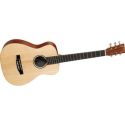
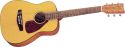
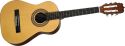
Choosing a child acoustic guitar can be an overwhelming decisioning process .... what size, steel string, nylon string, best manufacturer? Best Acoustic Guitar for a Child?Guitar teachers usually recommend classical nylon string guitars for young, beginner acoustic guitar players - a child acoustic guitar. The best classical guitar provides a strong foundation for proper technique and musical theory. Classical guitars typically have wider fretboards that make it easy to finger the notes precisely. The body of the classical guitar is generally smaller and easier for a child to get their arms around. Very importantly, the nylon strings do not cut into young beginner fingers like the steel strings on an acoustic or electric guitar. That said, beginners who practice diligently will develop calluses quickly so the strings may not be a big consideration.Click the images below for reviews of child acoustic guitar favorites...
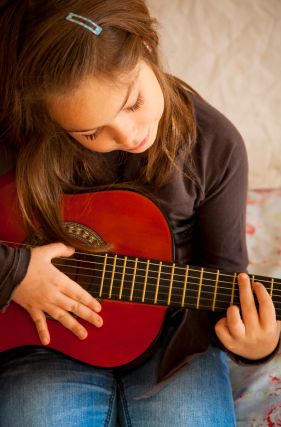
Avoid this mistake
What if your child has their heart set on being a rock star, playing a sizzling hot red electric guitar in front of the cheering masses? It may be such a crushing blow to be gifted a boring old brown kids acoustic guitar that the child never learns to play. Sometimes the difference between learning to play and quitting after 1 month is just getting the child interested and passionate about music. If your child has their heart set on a certain kind of guitar, it might be a wise move to indulge them. Child Guitar Size Chart
|
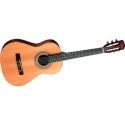
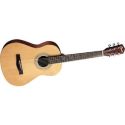
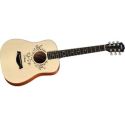
| Age | Height of Player | Size of Guitar |
| 4-6 years old | 3'3" to 3'9" | 1/4-Size |
| 5-8 years old | 3'10" to 4'5" | 1/2-Size |
| 8-11 years old | 4'6" to 4'11" | 3/4-Size |
| 11-Adult | 5' or taller | 4/4-Size |
Another Option for a Child
An alternative to a child acoustic guitar, my 6-year old started playing on a baritone ukulele. This kids acoustic guitar (baritone ukulele considered as a child acoustic guitar) is smaller and less expensive than most guitars and is usually tuned DGBE - exactly the same as the top four strings of a guitar. Or choose a soprano, concert or tenor ukulele, tuned to G C E A as alternative ukulele for beginners options.
Other Factors
If a child is on the border of, for example, a 3/4 and 4/4 guitar in terms of their age or height, it might be a good idea to get the larger guitar. Why buy a smaller guitar if you will need to buy a larger one in a few months or even weeks? A child with long arms may also need a larger guitar. While a child can generally learn on a guitar that is larger than recommended, it is much easier for a young child to get his or her hands around the appropriate-sized guitar. One risk of learning on an inappropriately-sized guitar is developing poor posture and hand position.
Price
Beginner acoustic versus electric guitars are similarly priced. One consideration when buying an electric guitar is the you will also need an amplifier. A small practice ampliferGenerally beginner acoustic guitars are lower-priced and lower-quality guitars. Beginners simply avoid spending a lot of money. One can learn to play on almost any guitar.
Some may believe that small scale 1/4, 1/2 and 3/4 size guitars would be less expensive than full-sized guitars. No, this is not necessarily true. In fact, quality small scale guitars can be even more difficult and costly to manufacture due to tighter production tolerances for smaller instruments. So, buyers may find the opposite to be true - that a quality child beginner guitar is more expensive than a quality adult beginner guitar.
Basic Guitar Chords
Start your child with some basic guitar chords and some easy acoustic guitar tabs.
Music for Homeschooled Children
Homeschoolers will appreciate the benefits of music education for their children. Parents find that music education for kids not only improves their children's memorization and small motor skills, but strongly contributes to the building of their child's self-confidence.
More Buying Tips
- Acoustic Guitar Ratings
- Acoustic Guitars for Sale
- Acoustic Travel Guitar
- Beginner Acoustic Guitar
- Best Acoustic Guitars
- Best Beginner Acoustic Guitars
- Buy Acoustic Guitar
- Cheap Acoustic Guitars
- Cheap Guitars
- Child Acoustic Guitar
- Guitar Companies
- Guitar eBay
- Guitar Finish
- Guitar Manufacturers
- Guitar Top
- Kids Acoustic Guitar
- Kids Acoustic Guitars
- Left-Handed Guitars
- Parts of a Guitar
- Travel Guitar Review
- Ukulele for Beginners
- Used Acoustic Guitars
Tell us about your favorite Child Acoustic Guitars!
Include the model # and explanation of why your guitar is so great!
What Other Visitors Have Said
Click below to see reviews from other visitors to this page...
Laguna Acoustic Guitar: LD1 Little Brat 3/4 Size 

Laguna Acoustic Guitar: LD1 Little Brat 3/4 Size
”The Little Brat that is Anything But Bratty”
If you are looking for a great acoustic guitar …
Mitchell Acoustic Guitar: MDJ10 Junior
Mitchell Acoustic Guitar: MDJ10 Junior
”¾ Sized Student Guitar With Great Volume”
When buying an acoustic guitar for the child who is just …
Yamaha Acoustic Guitars: 7/8-Size Classical
Yamaha Acoustic Guitars: 7/8-Size Classical TRACKINGGOESHERE “A Classy Way to Introduce Your Child to Classical Guitar”
If you are looking for …
Hohner HAG-250P 1/2 Size Parlor
Hohner HAG-250P 1/2 Size Parlor
Beginning Guitar at Hard to Resist Price
The Hohner HAG-250P ½ Size Parlor Acoustic Guitar is a great choice …
Takamine Guitars: Jasmine JS341 Nylon-String 3/4 Size
Takamine Guitars: Jasmine JS341 Nylon-String 3/4 Size
A Great Beginner’s Guitar for Young Players
When it comes to guitars for young beginners, …
Hohner Acoustic Guitar: HW03 3/4 Size Child Guitar
Hohner Acoustic Guitar: HW03 3/4 Size Child Guitar
”An Affordable Acoustic Sized for Your Child”
If you are looking for a child friendly …
Return from Child Acoustic Guitar to Best Acoustic Guitars HOME